
We independently curate & test every recommendation. As an Amazon Associate, we earn from qualifying purchases. If you buy/click through our links, we may earn a commission.
How to Eat Your Skincare: The Ultimate Guide to Foods That Transform Your Skin
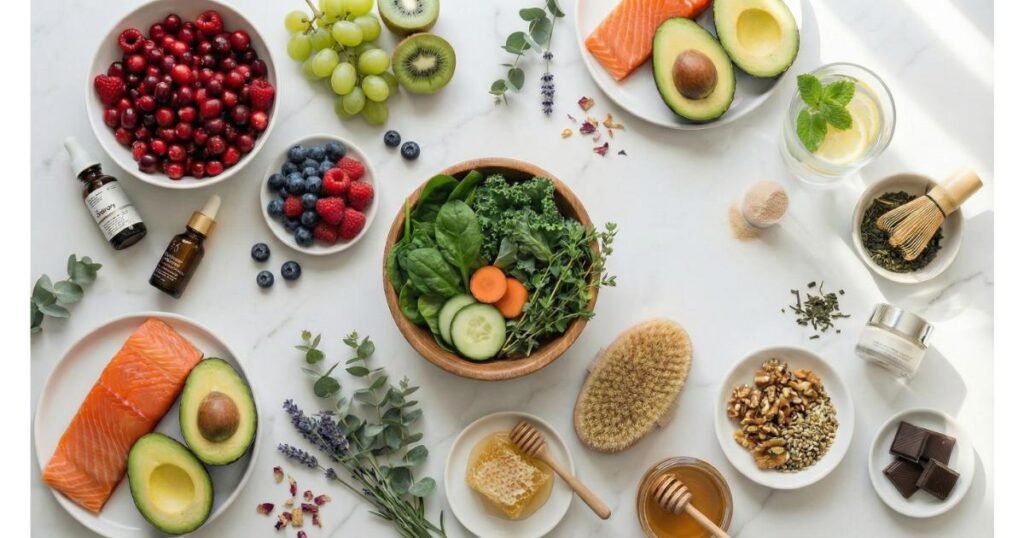
Are you spending hundreds on skincare products while ignoring the most powerful beauty tool in your kitchen? The secret to radiant, youthful skin isn’t just what you put on your face—it’s what you put in your body. Collagen boosting foods and nutrient-rich superfoods can transform your skin, fight wrinkles, and give you that coveted glow from within—often more effectively than expensive serums.
The beauty industry has caught on to this concept, which is why collagen boosting foods have become a major focus in nutritional skincare research.
Why Food Matters for Your Skin
Your skin is your body’s largest organ, and like every other part of you, it needs proper nutrition to thrive. While topical skincare products work from the outside in, nutrition works from the inside out—addressing the root causes of skin issues like inflammation, oxidative stress, and collagen breakdown.
The beauty industry has caught on to this concept, which is why you’ll see ingredients like retinol, vitamin C, and hyaluronic acid in countless serums and creams. B
Collagen-Boosting Foods: The Foundation of Firm Skin
What is Collagen?
Collagen is the most abundant protein in your body, making up about 75% of your skin’s structure. It’s what keeps your skin firm, plump, and wrinkle-free. Unfortunately, collagen production naturally declines by about 1% per year after age 20.
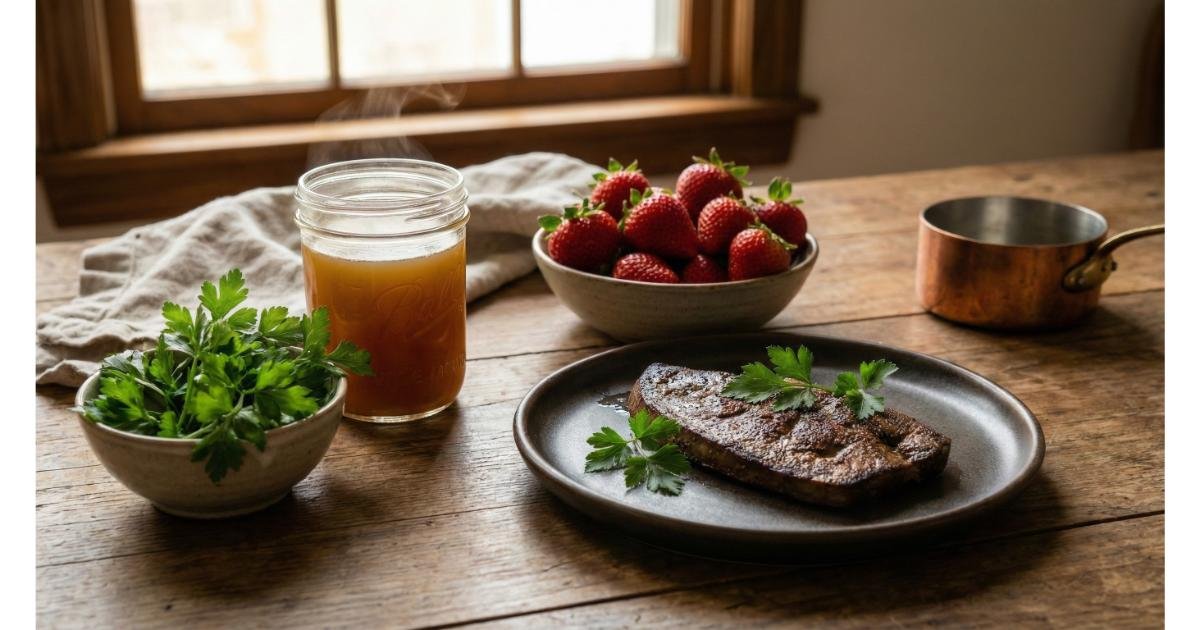
The best collagen boosting foods include bone broth, beef liver, and vitamin C-rich fruits that help your body produce more of this essential protein.
Best Foods for Collagen:
- Beef Liver – This nutrient powerhouse is incredibly rich in vitamin A and copper, both essential for collagen synthesis. Just 3 ounces provides over 500% of your daily vitamin A needs.
- Parsley – Don’t underestimate this humble herb. It’s packed with vitamin C, which your body needs to produce collagen. Sprinkle it generously on meals or blend it into smoothies.
- Strawberries – One cup delivers more vitamin C than an orange, making these sweet berries a delicious collagen-boosting snack.
- Bone Broth – Rich in gelatin (cooked collagen) and amino acids like glycine and proline that support your body’s own collagen production.
Retinol from Food: Nature’s Anti-Aging Powerhouse
You’ve probably seen retinol (vitamin A) touted as the gold standard anti-aging ingredient in skincare. While topical retinol can be irritating, dietary vitamin A provides the same benefits without the side effects.

Top Retinol-Rich Foods:
- Butternut Squash – One cup provides over 450% of your daily vitamin A needs. Roast it with olive oil for a skin-loving side dish.
- Kale – This superfood green is loaded with beta-carotene, which your body converts to vitamin A. It also contains lutein and zeaxanthin for extra skin protection.
- Goji Berries – These antioxidant-rich berries contain high levels of beta-carotene and can be added to smoothies, oatmeal, or trail mix.
Vitamin A helps speed up cell turnover, prevents clogged pores, and promotes a smoother, more even skin tone.
Antioxidants: Your Shield Against Premature Aging
Free radicals from UV exposure, pollution, and stress damage your skin cells and accelerate aging. Antioxidants neutralize these harmful molecules, protecting your skin from wrinkles, dark spots, and sagging.

Most Powerful Antioxidant Foods:
- Pomegranate – Contains punicalagins and anthocyanins that protect against sun damage and may even help regenerate skin cells. Studies suggest pomegranate can increase collagen production and improve skin thickness.
- Grapes – Rich in resveratrol, the same compound found in red wine that’s linked to longevity and skin protection. The seeds and skin contain the highest concentrations.
- Matcha – This powdered green tea contains 137 times more antioxidants than regular green tea. Its EGCG content fights inflammation and protects against UV damage.
- Dark Chocolate – Yes, chocolate makes the list! Choose varieties with 70% cacao or higher for maximum flavonoid content.
Glow-Inducing Foods: Radiance from Within
Want that enviable lit-from-within glow? These foods enhance circulation, reduce inflammation, and promote skin cell renewal.

Foods for Glowing Skin:
- Walnuts – The only nut with significant omega-3 fatty acids, which reduce inflammation and keep skin supple. They’re also rich in vitamin E and zinc.
- Chia Seeds – Despite their tiny size, these seeds pack 5 grams of omega-3s per ounce. They also help your skin retain moisture.
- Mango – High in vitamin A and vitamin C, mangoes support collagen production while fighting oxidative stress. The beta-carotene also gives skin a natural, healthy glow.
- Turmeric – The curcumin in this golden spice is a powerful anti-inflammatory that can reduce redness, combat acne, and even out skin tone.
Hyaluronic Acid Foods: The Ultimate Hydration Boost
Hyaluronic acid can hold up to 1,000 times its weight in water, making it essential for plump, hydrated skin. While it’s a popular ingredient in serums, you can also boost your body’s natural production through food.
Best Sources of Hyaluronic Acid:
- Edamame – These young soybeans contain phytoestrogens that may help your body produce more hyaluronic acid naturally.
- Cauliflower – Rich in magnesium, which is necessary for hyaluronic acid synthesis in your body.
- Figs – These sweet fruits contain nutrients that support the production of hyaluronic acid and other glycosaminoglycans.
- Bone Broth – Contains small amounts of hyaluronic acid itself, plus the building blocks your body needs to make more.
SPF from Food: Internal Sun Protection
While food can never replace sunscreen, certain nutrients provide additional protection against UV damage from the inside out.
Natural SPF-Boosting Foods:
- Papaya – Loaded with lycopene and beta-carotene, which accumulate in your skin and provide mild sun protection. One study found that lycopene reduced UV-induced skin redness by 40%.
- Yellow Peppers – Contain even more vitamin C than oranges, plus carotenoids that protect skin cells from sun damage.
- Raspberries – Rich in ellagic acid, which prevents collagen breakdown from UV exposure and reduces inflammation.
- Tomatoes – Cooked tomatoes are especially high in lycopene. Studies show that consuming tomato paste daily can reduce sunburn by up to 40% after 10 weeks.
Niacinamide-Rich Foods: For Even, Clear Skin
Niacinamide (vitamin B3) is a skincare superstar that minimizes pores, reduces redness, and fades dark spots.
Top Niacinamide Sources:
- Chickpeas – One cup provides about 15% of your daily niacin needs. Use them in hummus, salads, or roasted as a snack.
- Turkey – A 3-ounce serving delivers nearly 40% of your daily niacin requirement, plus protein for skin repair.
- Cashews – A quarter cup provides about 10% of your daily needs. They’re also rich in copper and zinc for healthy skin.
Peptide-Rich Foods: Skin Repair and Renewal
Peptides are short chains of amino acids that signal your skin to produce more collagen and elastin.
Best Peptide Sources:
- Quinoa – A complete protein containing all nine essential amino acids your body needs to build peptides.
- Beans – Rich in amino acids and fiber, beans support skin repair and help maintain stable blood sugar (which is crucial for preventing glycation and premature aging).
- Turkey – In addition to niacin, turkey provides high-quality protein that breaks down into the amino acids needed for peptide formation.
- Pumpkin Seeds – Contain peptides and are rich in zinc, which is essential for wound healing and reducing inflammation.