
We independently curate & test every recommendation. As an Amazon Associate, we earn from qualifying purchases. If you buy/click through our links, we may earn a commission.
10 Virtually Indestructible Houseplants for Beginners
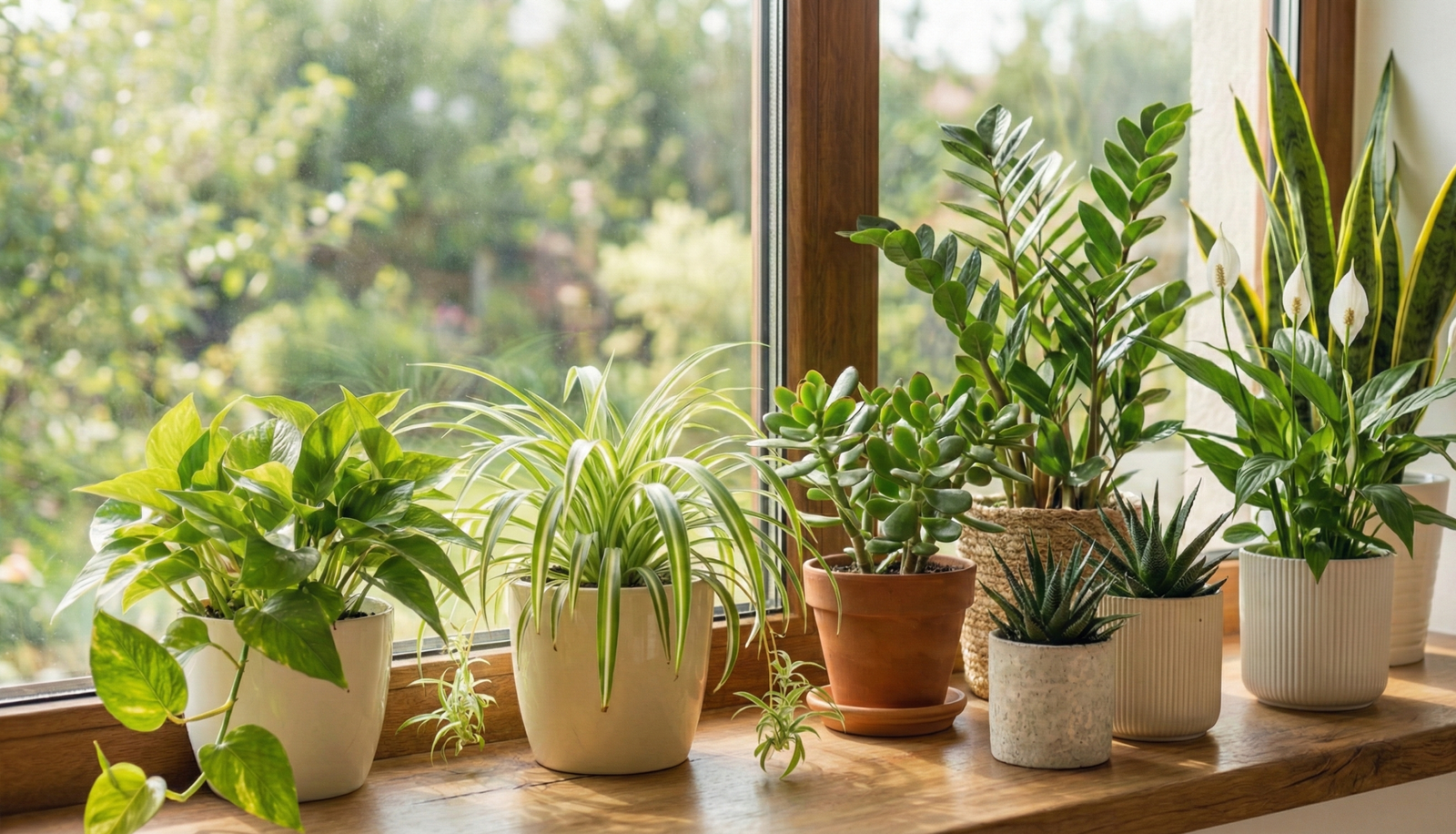
1. Pothos: The Ideal Entry-Level Vine
What is the best houseplant for beginners? Pothos is widely considered the best houseplant for beginners because it is nearly impossible to kill. These trailing vines tolerate low light, irregular watering, and diverse temperatures. Their ability to thrive in soil or water makes them the perfect entry-level plant for anyone looking to add greenery
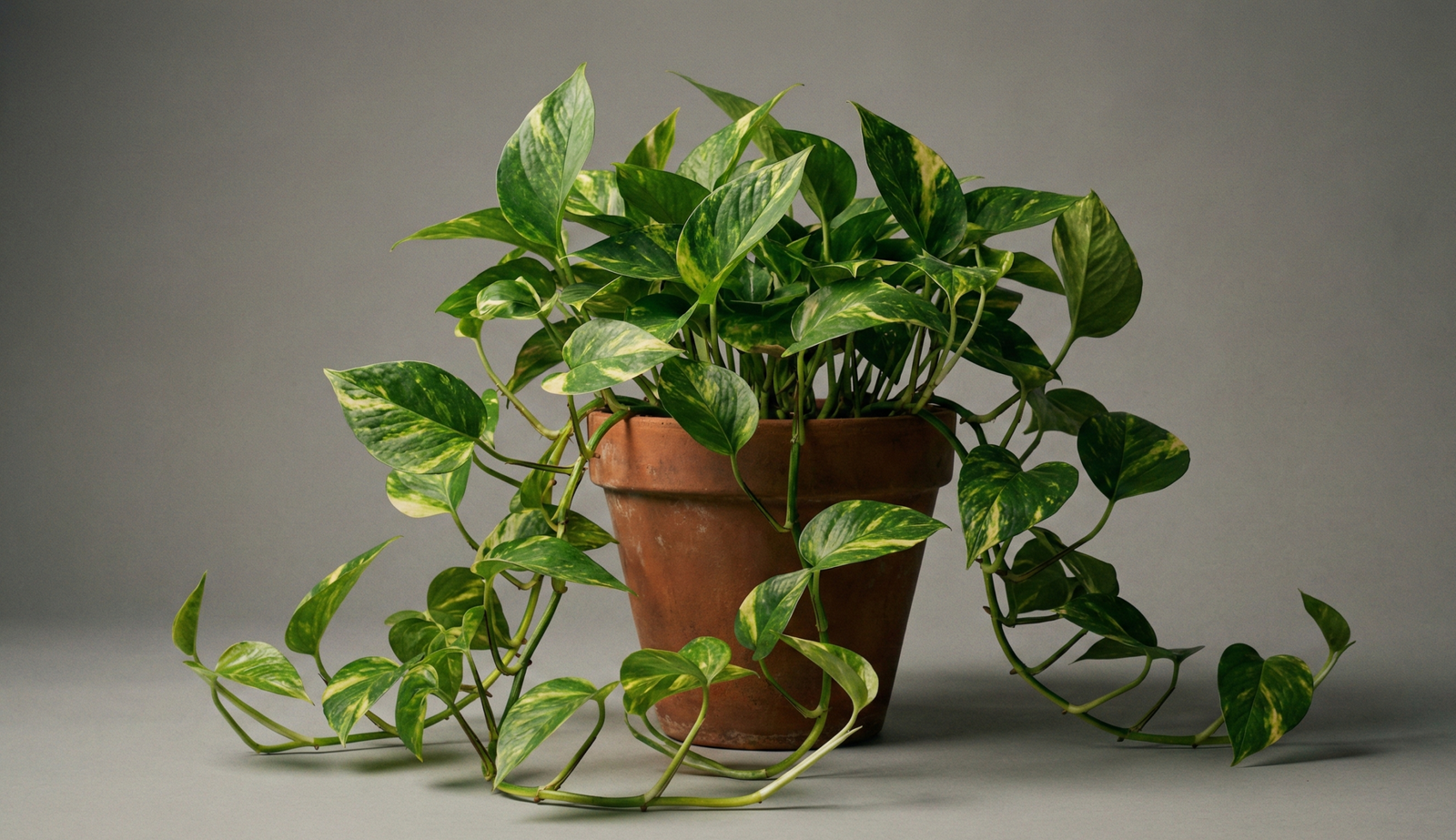
Why It Succeeds
Pothos (Epipremnum aureum) features heart-shaped leaves that can be solid green or variegated with gold and white. They are incredibly forgiving; if you forget to water them, the leaves will wilt slightly to tell you they are thirsty, but they bounce back almost immediately after a drink.
2. Snake Plant: The Low-Light Specialist
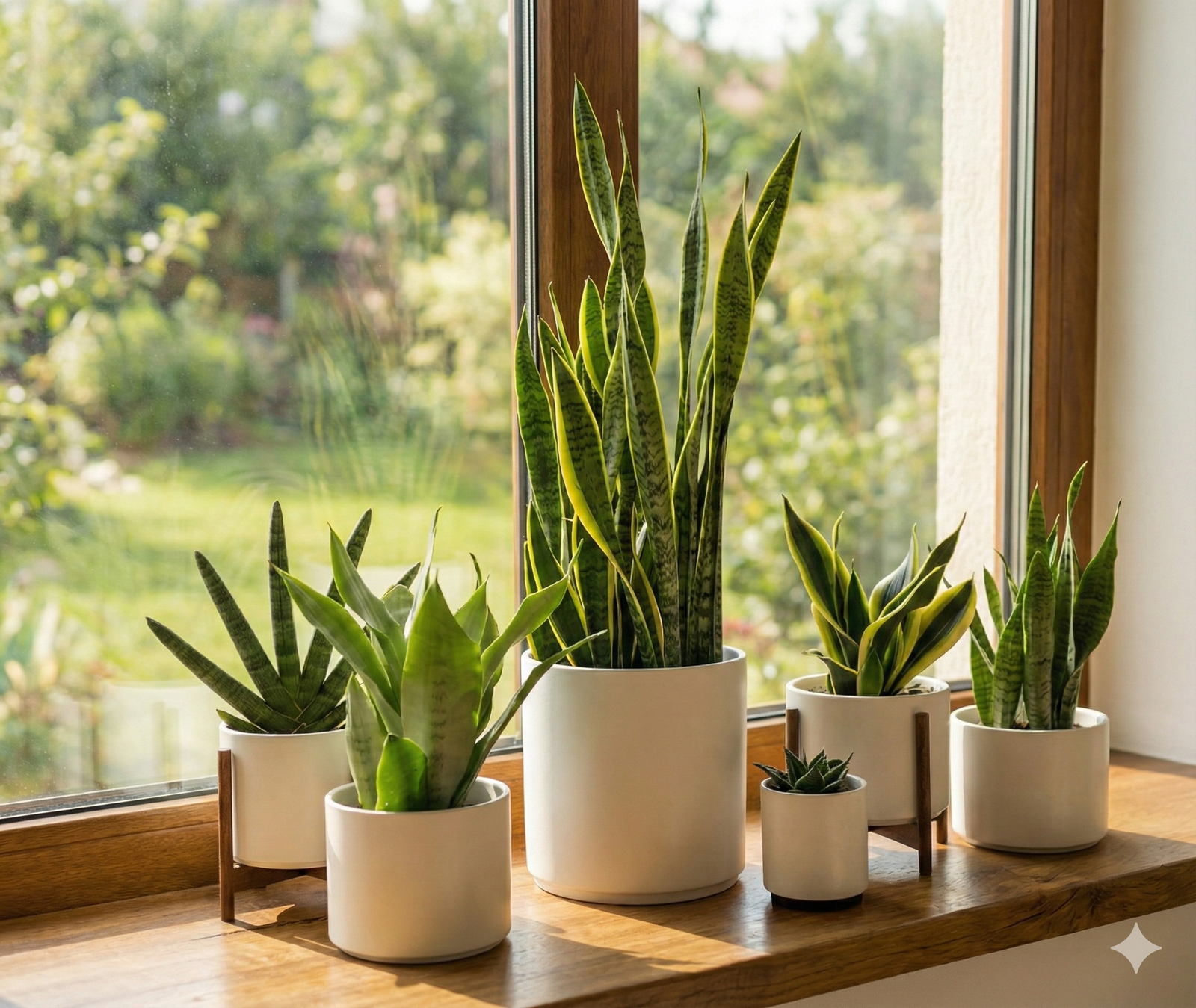
Which indoor plants thrive in low light? Snake plants are the ultimate choice for low-light environments, such as windowless offices or dim hallways. They are slow-growing and incredibly resilient, requiring very little water to survive. Because they release oxygen at night, they are also popular choices for bedrooms and poorly ventilated spaces.
Care Essentials
Known botanically as Sansevieria, these plants are prone to rot if overwatered. In the winter, you may only need to water them once a month. Their architectural, sword-like leaves add a modern touch to any room without requiring a sunny windowsill.
3 . ZZ Plant: The Drought-Tolerant Workhorse
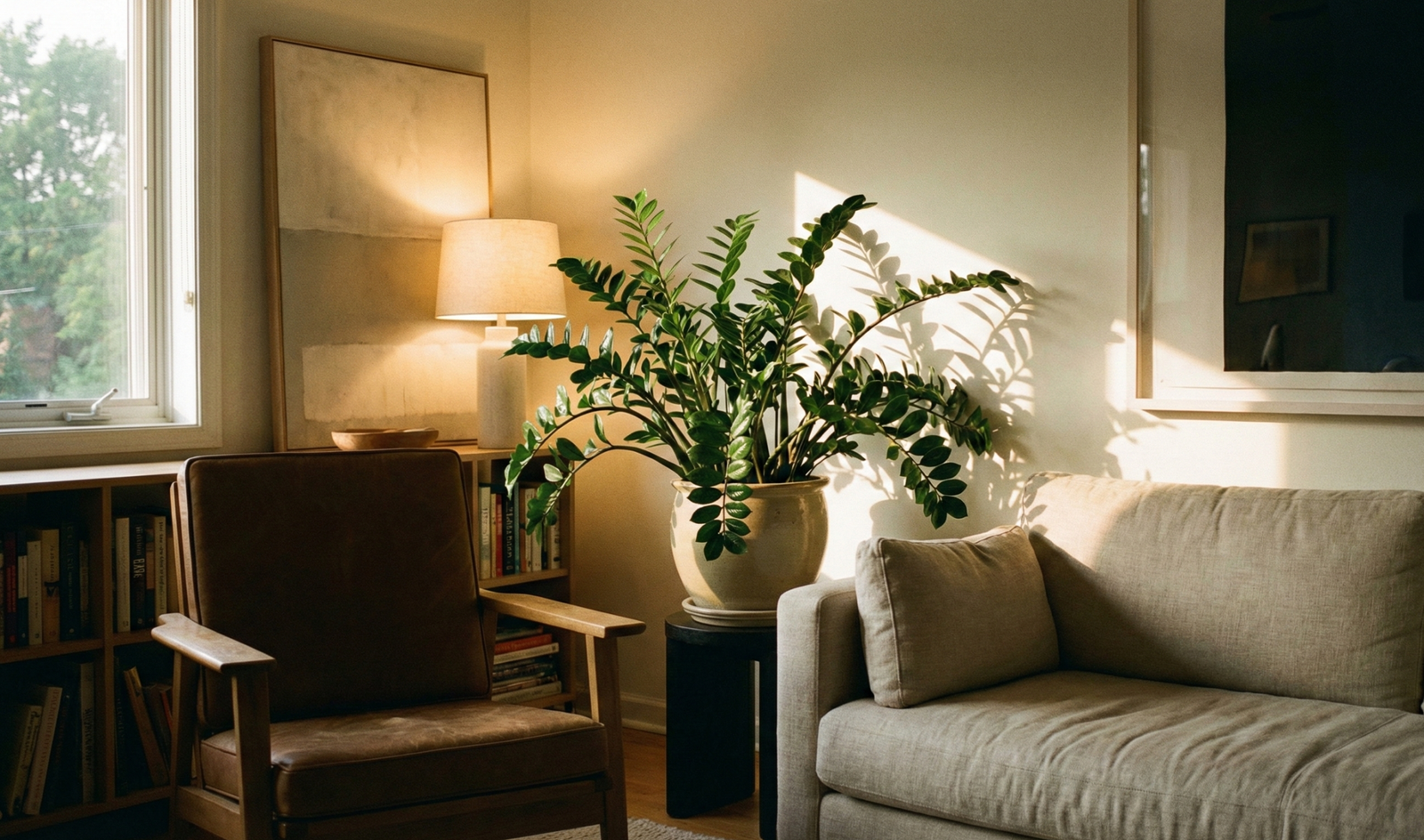
What are the most drought-tolerant houseplants? The ZZ plant is one of the most drought-tolerant houseplants available due to its thick, waxy leaves and underground rhizomes that store water. It can survive for weeks without a drink, making it ideal for frequent travelers or forgetful owners who want a lush, green aesthetic.
Why It’s “Hard to Kill”
The Zamioculcas zamiifolia thrives on neglect. It handles low light gracefully and rarely suffers from pests. Its shiny, deep green leaves look polished even if you haven’t touched the plant in a month.
4 . Spider Plant: The Best for Propagation
Are spider plants easy to maintain? Yes, spider plants are highly adaptable and easy to maintain, flourishing in a variety of light conditions. They are famous for producing “babies” or offsets that dangle from the mother plant, which can be easily snipped and replanted to create an entire collection of free indoor greenery.
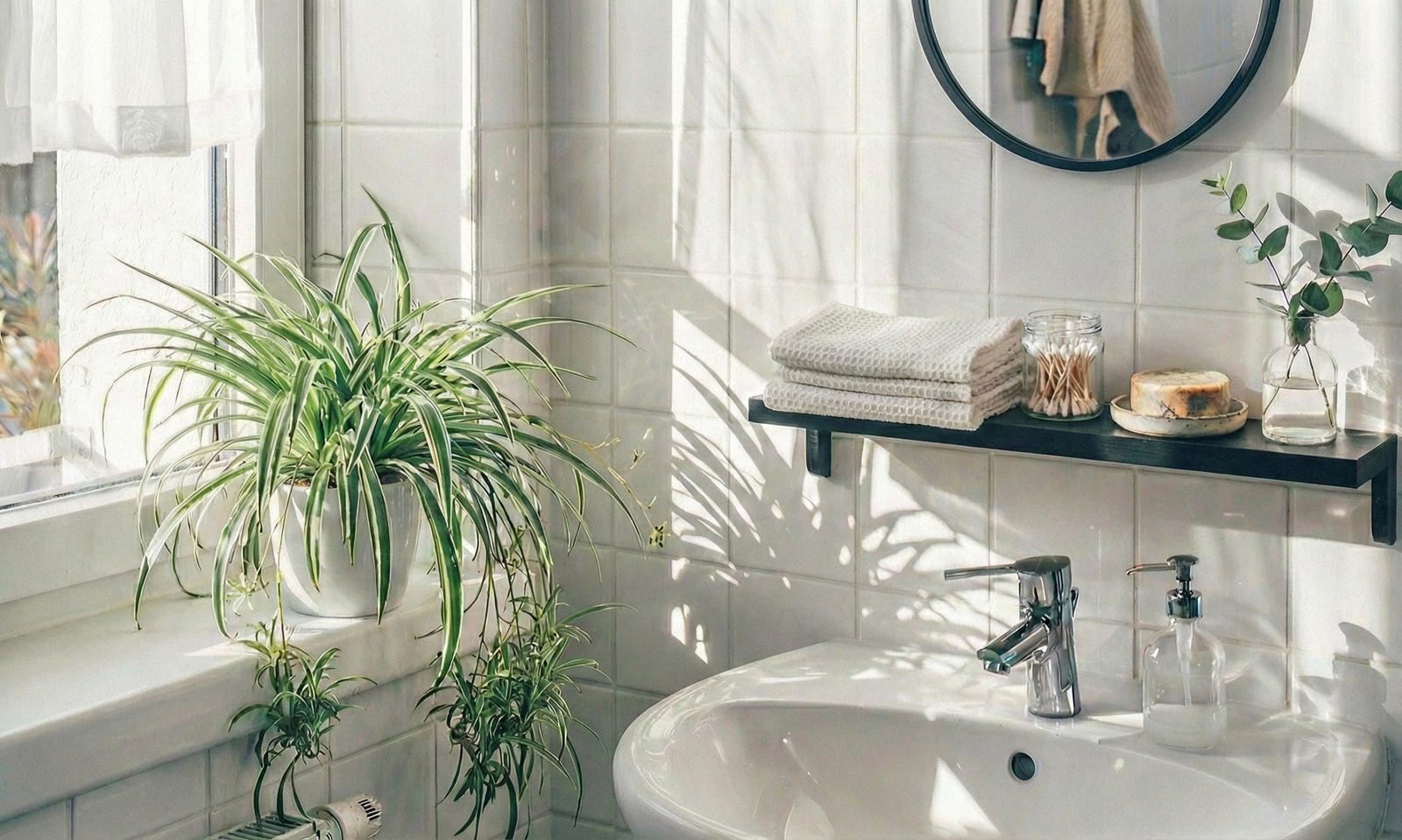
Growth Habits
Spider plants prefer bright, indirect light but will survive in tougher conditions. They are excellent for hanging baskets, where their arching leaves and dangling plantlets can create a dramatic visual effect.
5 . Monstera Deliciosa: The Trendy Statement Piece
How do you care for a Monstera deliciosa indoors? To care for a Monstera indoors, provide bright, indirect light and a well-draining potting mix. These “split-leaf” plants thrive in warm, humid conditions and should be watered whenever the top inch of soil feels dry. They are fast-growing climbers that benefit from a moss pole or trellis support.
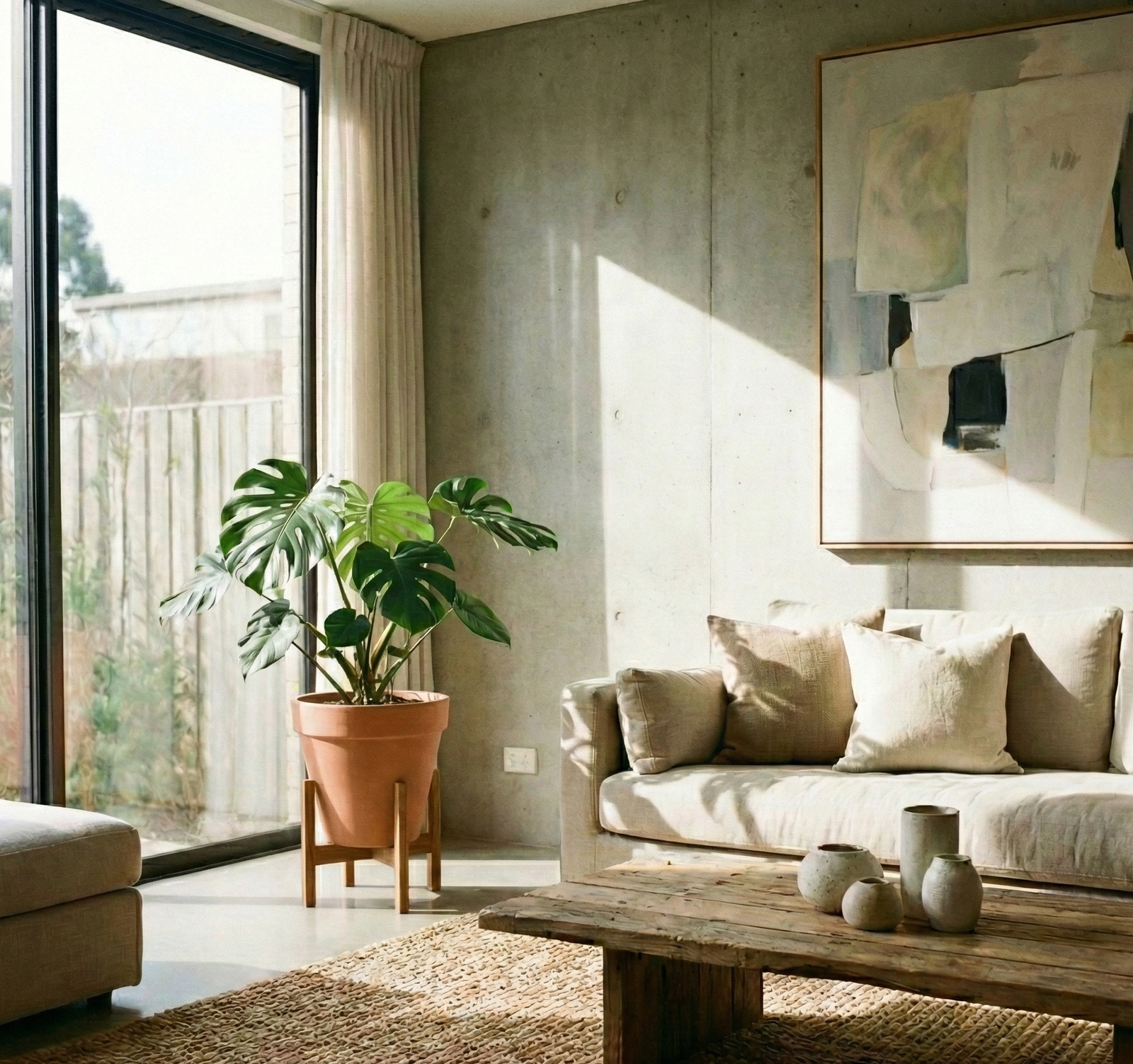
Aesthetic Appeal
The Monstera is the “it” plant of the decade. While it looks exotic, it is surprisingly hardy. As long as you don’t place it in direct, scorching sunlight, it will continue to produce its iconic fenestrated (holed) leaves.
6. Aloe Vera: The Functional Succulent
What are the sunlight and water requirements for Aloe Vera? Aloe Vera thrives in bright, indirect sunlight and requires minimal watering since it is a succulent that stores moisture in its fleshy leaves. Allow the soil to dry out completely between waterings to prevent root rot. This functional plant also offers soothing sap for minor burns and skin irritation.
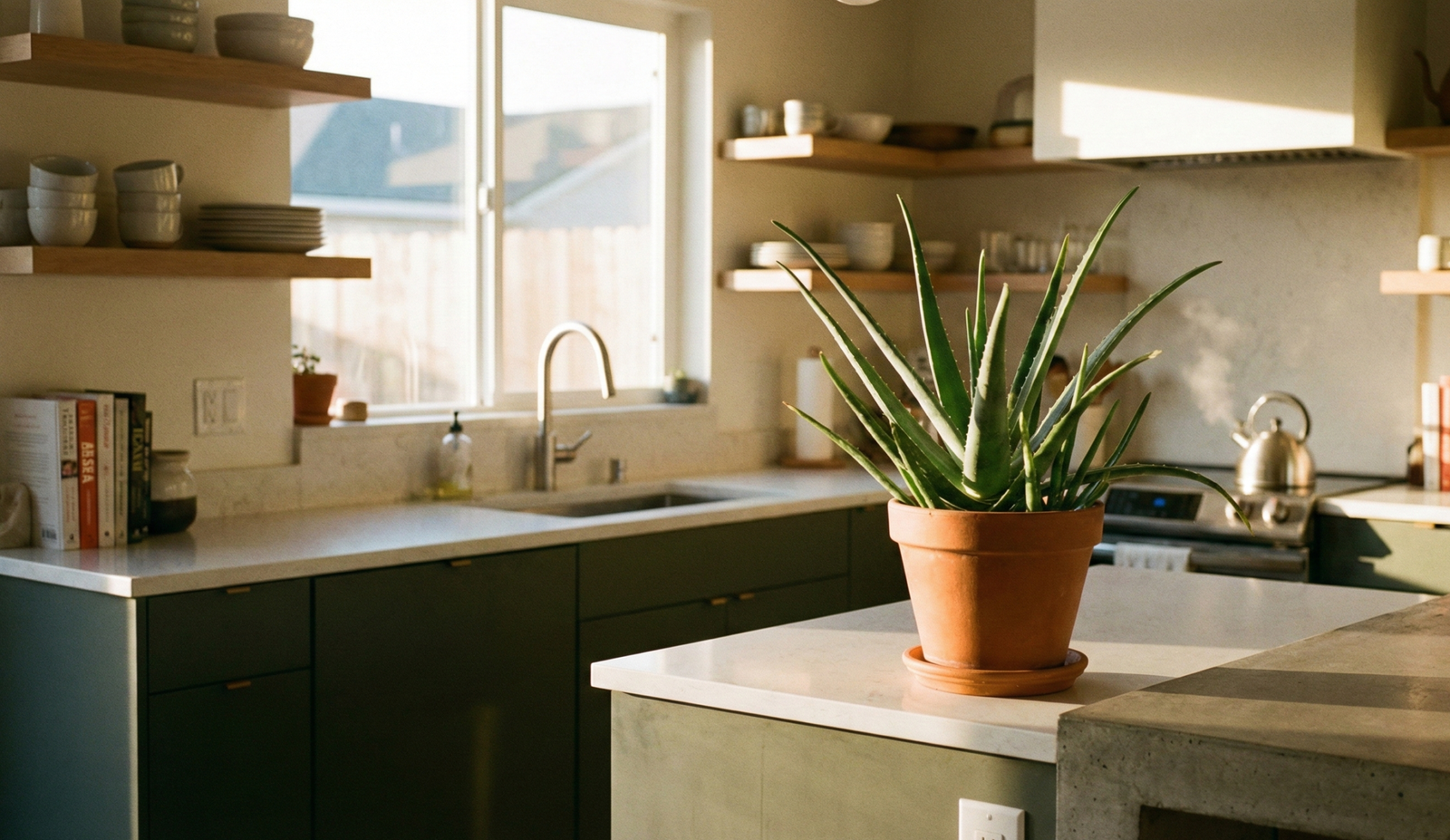
Healing Properties
Keep an Aloe Vera plant in your kitchen. It’s not just a decoration; the gel inside the leaves is a natural first-aid tool for minor burns or scrapes. It can live for years in the same container with very little maintenance.
7. Cast Iron Plant: The Ultimate “Survivor”
Which houseplants can survive deep shade? The Cast Iron Plant earned its name by surviving extreme neglect, including deep shade, poor soil quality, and fluctuating temperatures. It is the perfect solution for dark corners where other plants fail to thrive. Its tough, dark green leaves remain vibrant even with minimal water and very little attention.
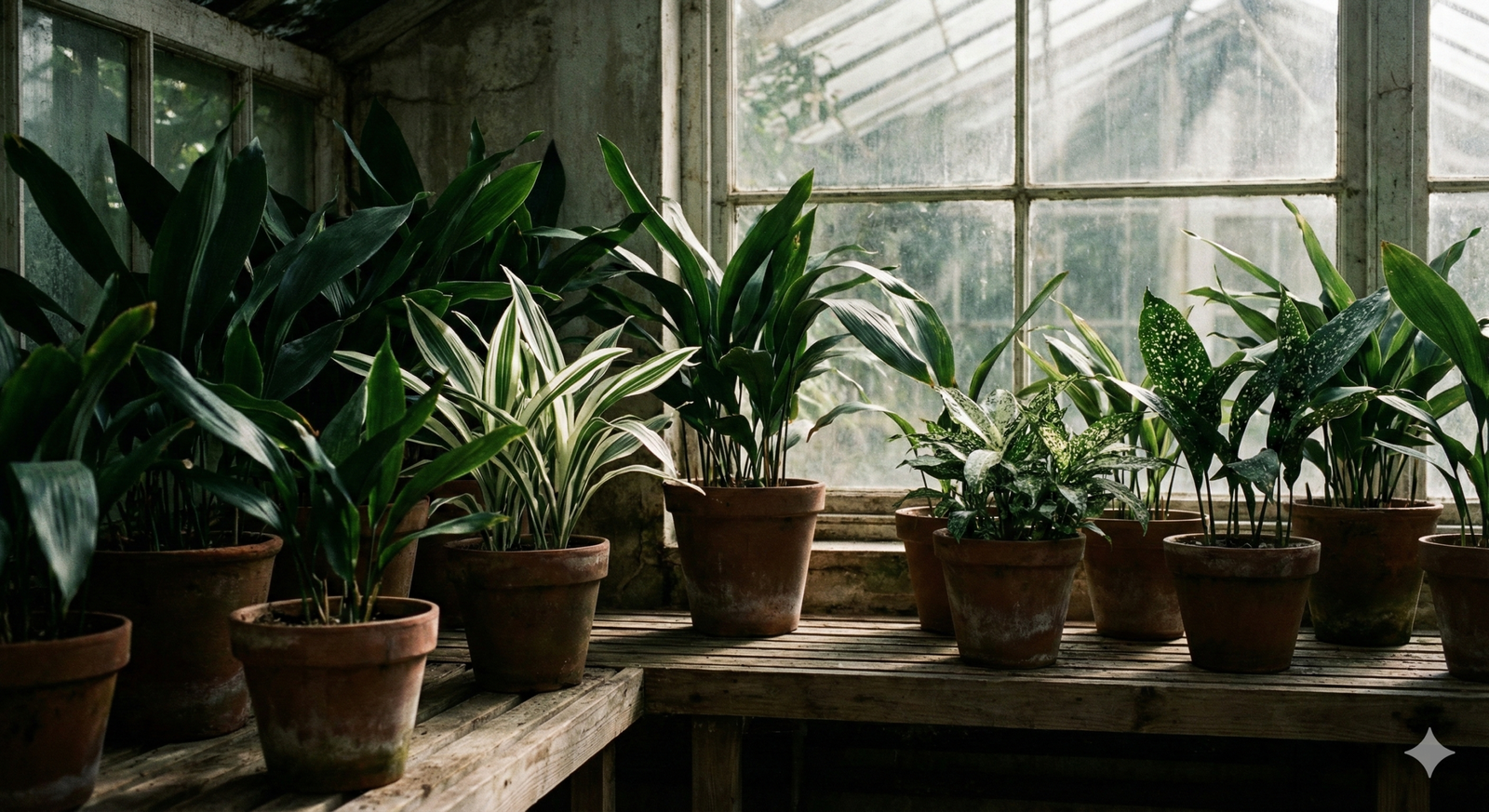
Durability
As the name suggests, this plant is as “tough as iron.” It doesn’t mind drafts or dry air, making it a great choice for entryways or older homes with inconsistent heating.
8. Jade Plant: The Long-Lived Classic
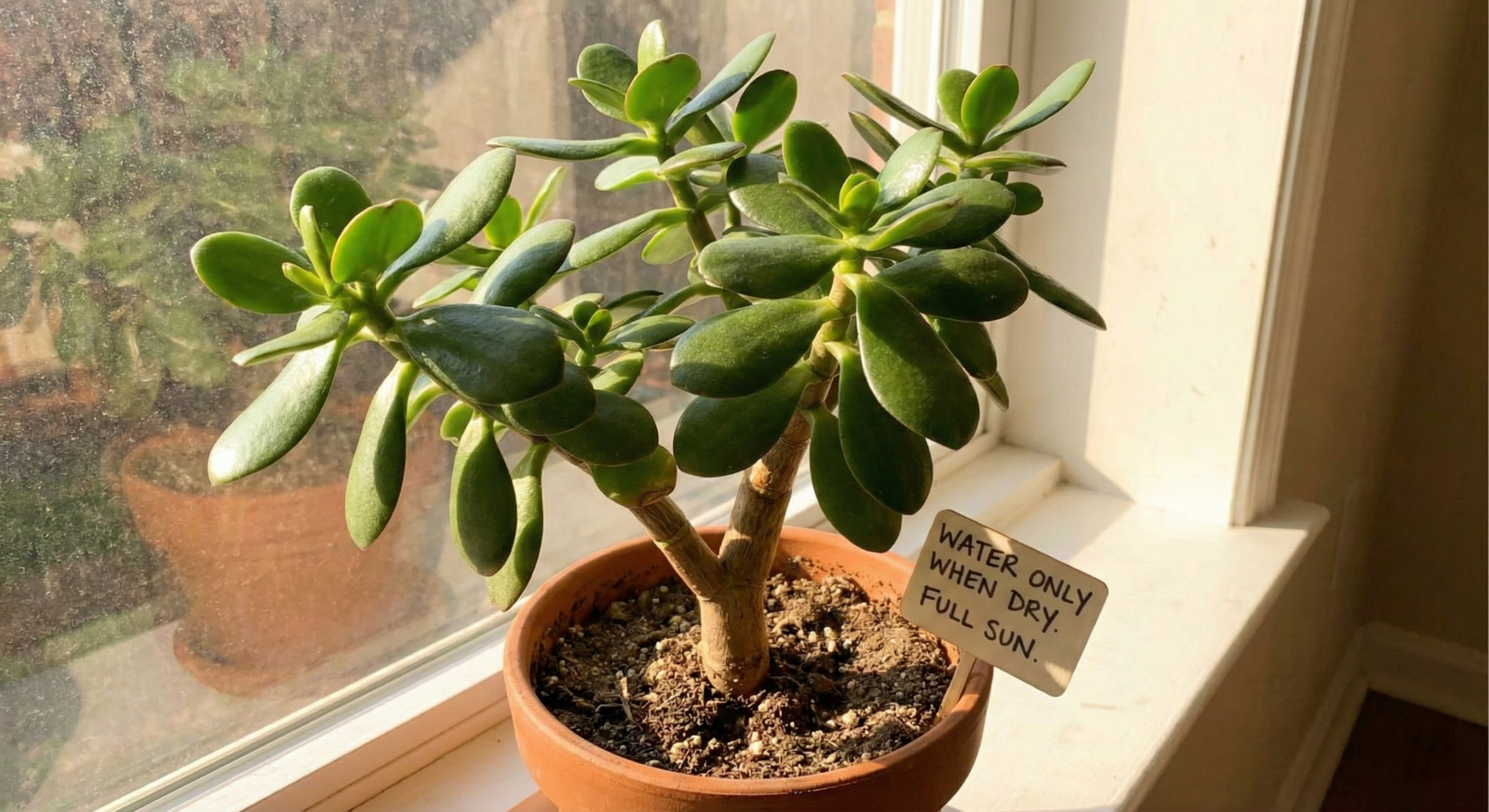
What is the best way to grow a healthy Jade Plant? The best way to grow a healthy Jade Plant is to provide it with plenty of direct sunlight and a strict watering schedule. As a succulent, it needs its soil to dry out entirely before being watered again. Overwatering is the most common cause of failure for this plants.
Symbolism and Care
In many cultures, Jade plants are seen as symbols of good luck and prosperity. They grow slowly into miniature tree-like structures and can live for decades, often being passed down through families.
9. Peace Lily: The Visual Communicator
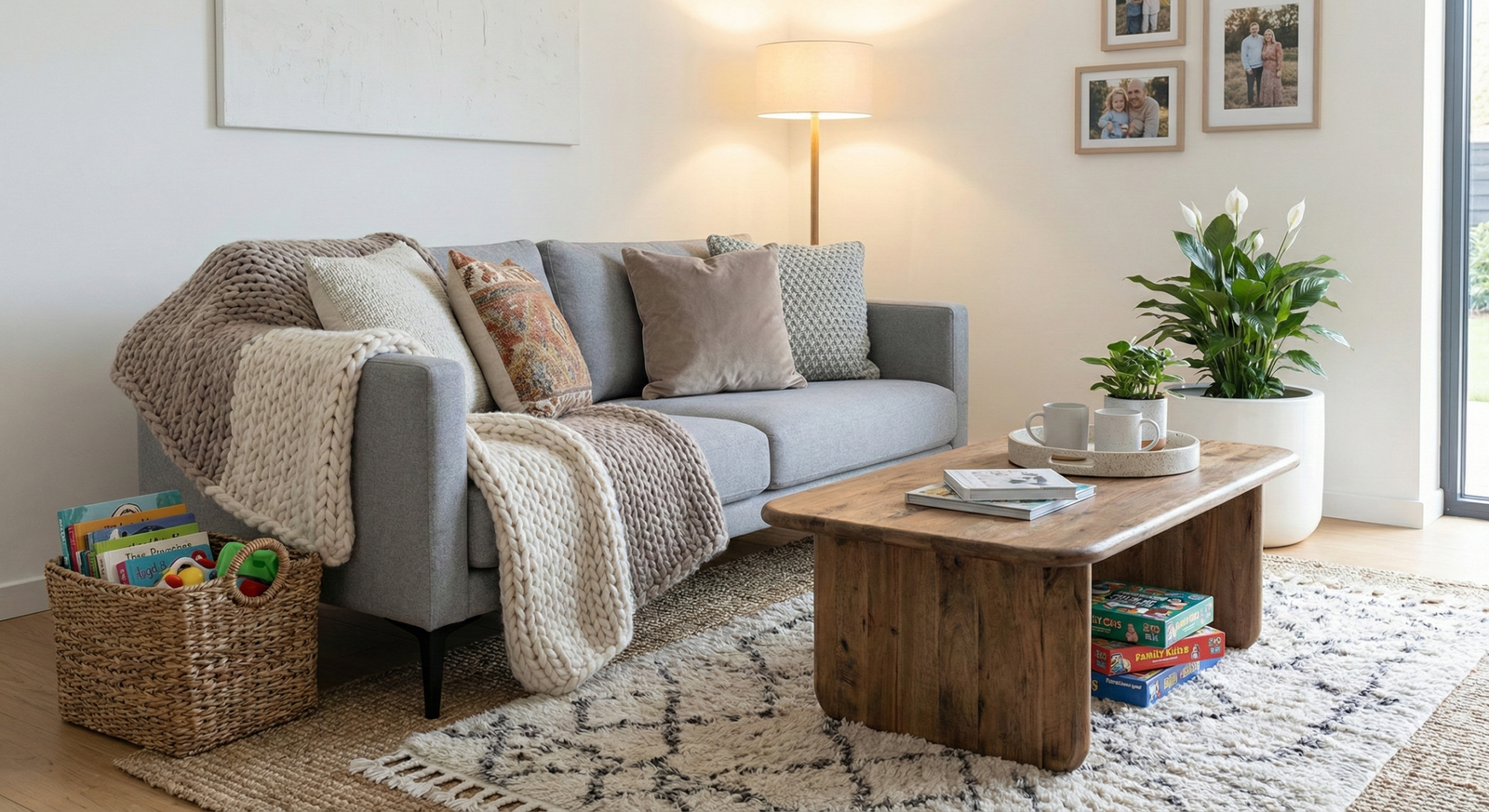
Do Peace Lilies need a lot of sunlight? Peace Lilies do not need much sunlight and actually prefer partial shade or bright, indirect light. Direct sun can scorch their delicate white blooms and dark green leaves. They are excellent communicators, visibly drooping when they need water and bouncing back quickly once their thirst is quenched.
Key Feature
The Peace Lily is one of the few “easy” plants that produces flowers reliably indoors. Their white spathes add elegance to a room, and they are world-class air purifiers.
10. Lucky Bamboo: The Water-Grown Shortcut
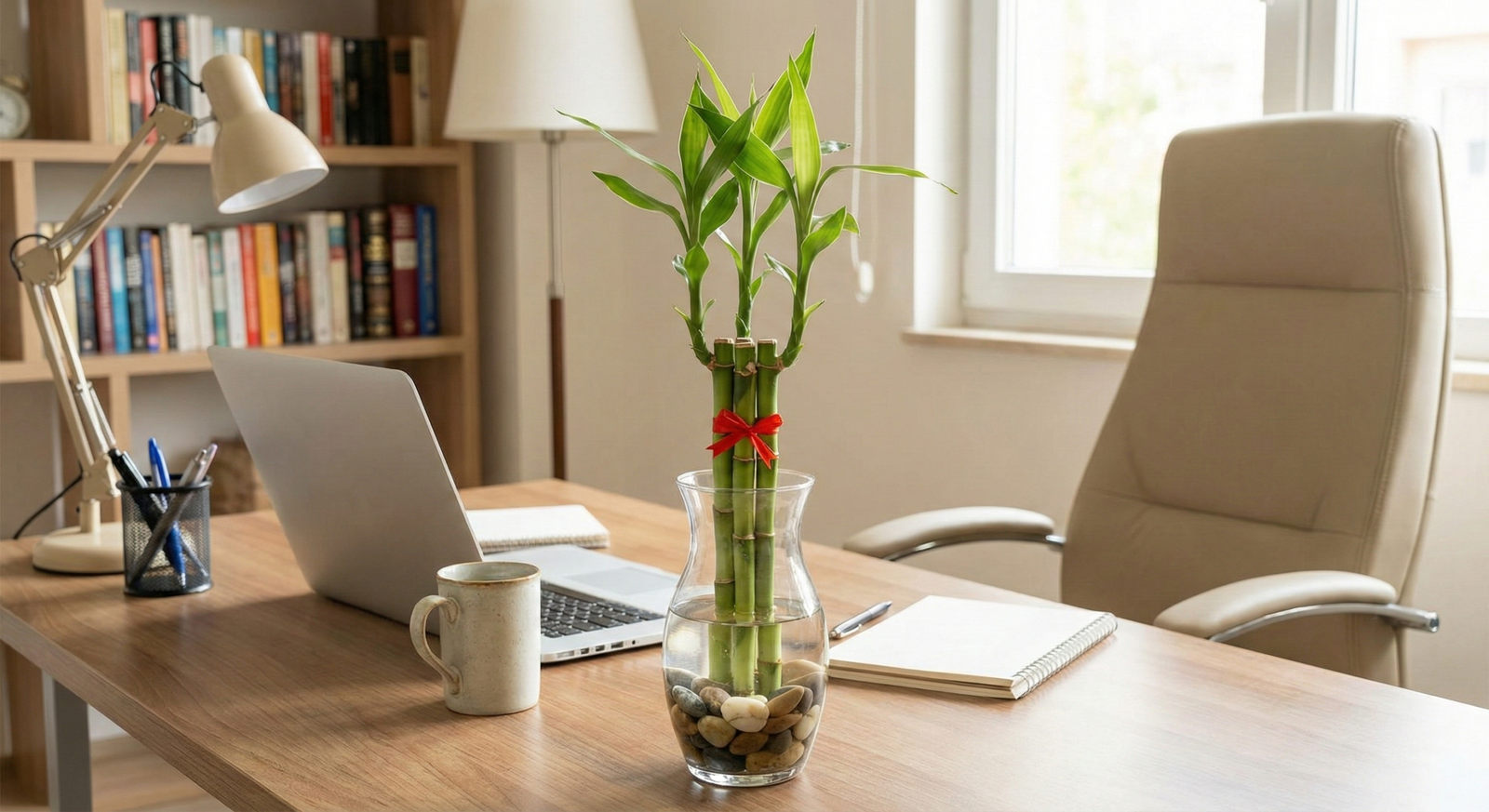
Can you grow Lucky Bamboo in water? You can easily grow Lucky Bamboo in a vase filled with water and pebbles rather than soil. This low-maintenance plant thrives in bright, filtered light and only requires a water change every few weeks to stay healthy. It is a popular choice for offices and small indoor spaces.
Styling Tip
Because it grows in water, you can choose beautiful glass vases to show off its stalks. It can be trained into spirals or braids, making it as much a piece of art as it is a living plant.